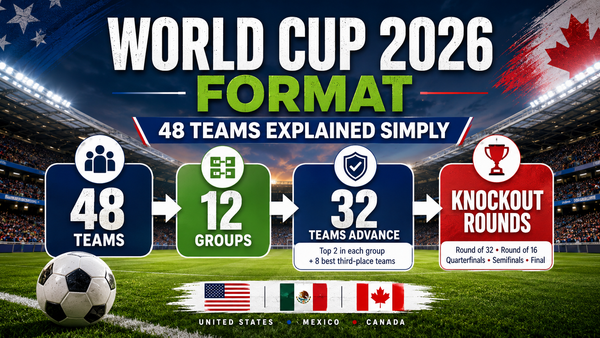
World Cup 2026 will be bigger than any previous edition, with 48 teams, 104 matches, and games across the United States, Mexico, and Canada. The tournament is scheduled to run from June 11 to July 19, 2026, giving fans more than a month of international soccer to follow.
For casual fans, the full schedule can feel overwhelming. This simple guide explains how to plan around the tournament without trying to watch everything.
Start With the Key Dates
The most important thing to know is the tournament window:
World Cup 2026 begins: June 11, 2026
World Cup 2026 final: July 19, 2026
Total matches: 104
Host countries: USA, Mexico, and Canada
Because the tournament lasts more than a month, fans should think of it in stages instead of treating it like one long schedule.
Understand the Main Tournament Stages
World Cup 2026 will move through two main phases: the group stage and the knockout stage.
The group stage is where all 48 teams begin. Teams are divided into groups, and each team plays multiple matches to try to qualify for the next round. After that, the tournament moves into knockout rounds, where teams must win to stay alive.
A simple way to follow it:
Group Stage: many matches, many teams, lots of storylines
Round of 32: the first knockout round
Round of 16: the field gets smaller
Quarterfinals: serious contenders remain
Semifinals: final four teams
Final: the championship match
For new fans, the knockout rounds are usually easier to follow because every match has a clear result: win and advance, lose and go home.
Do You Need to Watch Every Match?
No. With 104 matches, most fans will not watch everything. A better plan is to choose a few categories of matches you care about.
You can follow:
- Your favorite national team
- The host countries: USA, Mexico, and Canada
- Big rivalry matches
- Underdog teams
- Knockout-round games
- Weekend matches
- Matches in your time zone
This makes the tournament easier to enjoy without feeling like a full-time job.
Pay Attention to Time Zones
World Cup 2026 will be played across North America, which is good news for U.S. fans. Many matches should be easier to watch live compared with tournaments held in Europe, Asia, or the Middle East.
Still, time zones matter. A match in Los Angeles, a match in New York/New Jersey, and a match in Mexico City may not feel the same for viewers in different parts of the country.
If you are in the USA, check match times based on your own local time before making plans. FIFA’s official fixture page shows match times based on your local time setting.
Create a Simple Fan Schedule
The easiest way to follow World Cup 2026 is to make a personal watch list.
Start with these questions:
Which team do I want to follow?
Pick one or two national teams.
Which host city interests me most?
Some fans may want to follow matches in New York/New Jersey, Los Angeles, Mexico City, Toronto, Miami, Dallas, or other host cities.
Do I care more about group matches or knockout matches?
Group matches are great for variety. Knockout matches are better for drama.
Do I want to watch live or read recaps?
You do not have to watch every game live. For busy days, highlights and recaps are enough.
Best Matches for Casual Fans to Watch
Casual fans should focus on matches with clear storylines. These are usually easier to enjoy, even if you are new to soccer.
Good match types include:
- Opening match
- Host country matches
- USA matches
- Mexico matches
- Canada matches
- Rivalry matches
- Knockout-round games
- Semifinals
- Final
The opening match is especially useful because it sets the tone for the tournament. The full match schedule is available through FIFA’s official schedule page.
Planning If You Want to Attend in Person
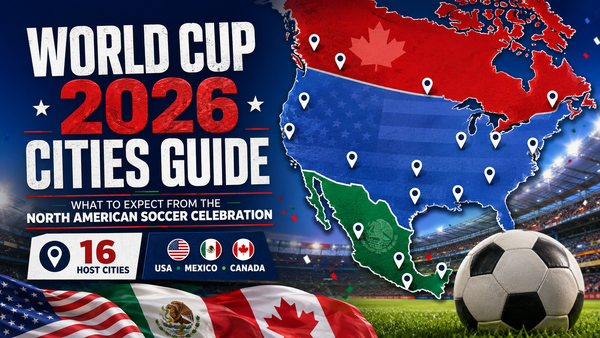
If you plan to attend a match, schedule planning becomes more important. World Cup 2026 is spread across 16 host cities, so traveling between matches may require flights, hotels, and extra time.
Do not assume host cities are close to each other. For example, going from Los Angeles to Toronto or from Vancouver to Mexico City is a major trip.
A smart travel plan is to choose one city or one region instead of trying to attend matches everywhere.
Before booking anything, check:
- Match city
- Stadium location
- Local transportation
- Hotel availability
- Match date and kickoff time
- Ticket source
- Travel time between cities
For safety, fans should use official ticketing sources and be careful with unofficial resale listings.
How to Follow From Home
Watching from home is the easiest way for most fans to enjoy the tournament. You can create your own routine around the schedule.
For example:
Morning: check match previews
Match time: watch selected games live
Evening: read recaps and highlights
Weekend: watch bigger matches with friends or family
This approach works well for people who want to enjoy the tournament but do not have time to follow every fixture.
Tips for New Soccer Fans
If you are new to soccer, do not worry about knowing every player or team. Start simple.
Follow one team. Learn the basic rules. Watch the group stage casually. Then pay closer attention when the knockout rounds begin.
The World Cup is easy to enjoy because every match connects to a larger story. A small country can surprise everyone. A favorite can be eliminated early. A new star can become famous in one match.
That is what makes schedule planning fun: you are not just watching games, you are following a story as it unfolds.
Final Thoughts
World Cup 2026 will be a huge tournament, but fans do not need to follow every match to enjoy it. The best plan is to focus on key dates, favorite teams, host-country matches, and the knockout rounds.
With 48 teams and 104 matches, there will be something for every type of soccer fan. Whether you watch from home, attend in person, or just follow highlights, a simple schedule plan will make the tournament much easier to enjoy.